he Dangote Group's purchase of a 24.76% stake in Kenya Pipeline Company (KPC) links one of Africa's largest refinery projects to the pipeline and storage network that supplies fuel to five East African markets.
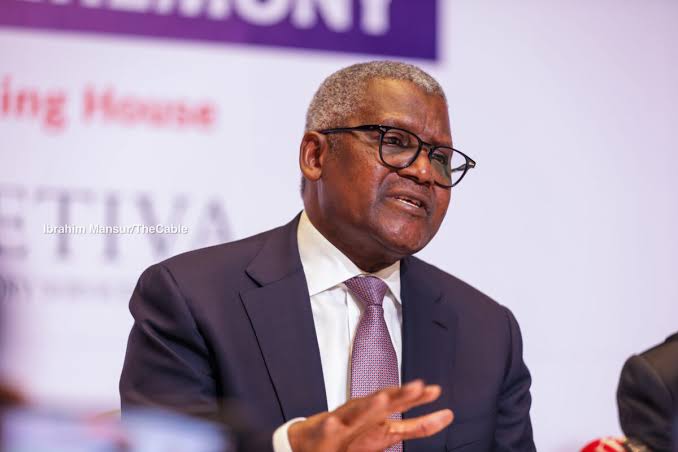
Aliko Dangote confirmed the purchase of about 4.5 billion KPC shares, valued at about KSh42.5 billion, equivalent to approximately $327 million, at the Financial Times Africa Summit in London on 21 October 2026. The deal makes him the second-largest shareholder after the Government of Kenya.
KPC operates a pipeline network of more than 1,300 km running from Mombasa into inland Kenya, with storage and pumping capacity of about 14 billion litres a year. For landlocked Uganda, Rwanda, DR Congo and South Sudan, the network is a central link in the fuel supply chain.
The company has planned further expansion, including a new eastern route between Mombasa and Nairobi and a line from Eldoret to Malaba on the Uganda border. According to the Financial Times, Dangote plans to put a further $1.5 billion into pipeline development.
The investment sits alongside the $16 billion Lamu refinery, launched by Dangote and President William Ruto on 30 September 2026. The refinery is designed to process 700,000 barrels per day and is scheduled to start operations in 2030, positioning Kenya to move from importing refined fuel to refining it at home.
That shift places Kenya's fuel procurement model under review. The country has yet to formalise a supply agreement with the refinery, and exclusivity was reported to be among Dangote's conditions before committing to Lamu.

Cabinet Secretary for the National Treasury, John Mbadi, signalled that Kenya would weigh preferential access against price, saying the country could consider it "if the monopoly will guarantee us access to cheap petroleum product."

Pipeline tariffs remain under the control of the Energy and Petroleum Regulatory Authority (EPRA). Its Director-General, Edward Kinyua, highlighted that local refining reduces some supply risks but does not remove them.
"If the Strait of Hormuz is impassable, you have the refinery, the feedstock, but you can't produce it," he said.
The deal raises practical questions about fuel pricing, competition between suppliers and the reliability of regional fuel corridors as one industrial group gains a stake in refining, transport and storage.