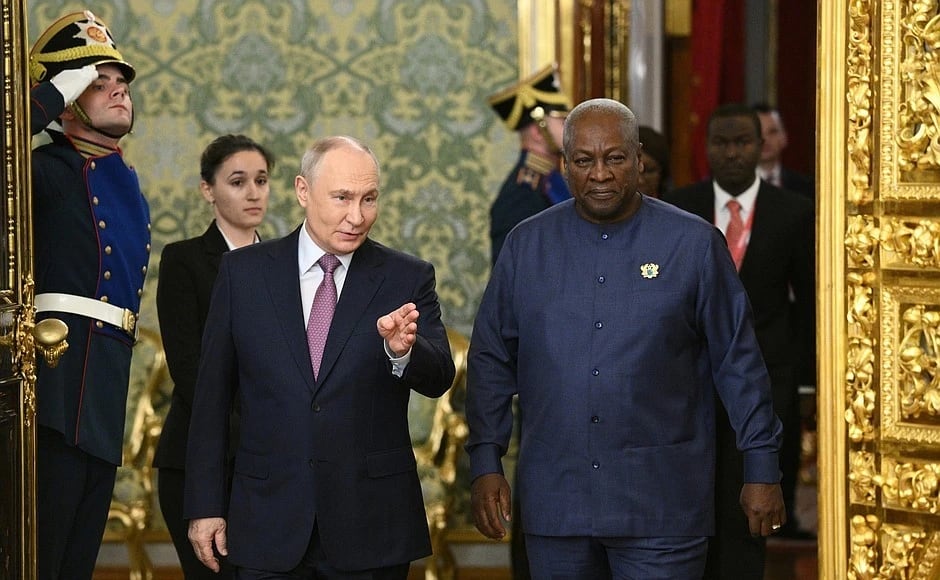
he third Russia and Africa Summit has adopted an Action Plan for the Russia, Africa Partnership Forum for 2027 to 2029, setting out cooperation across 19 areas including trade, investment, agriculture, energy, healthcare, education and transport infrastructure.
The two day summit, held in Moscow on 28 and 29 October 2026, drew delegations from 48 of Africa's 54 countries. Twenty-two were represented by heads of state, according to Kremlin aide Yury Ushakov, compared with 17 at the 2023 summit and 43 at the first summit in 2019.
Three documents were adopted at the close of the summit, the final declaration, the 2027 to 2029 action plan and a declaration on cooperation in the civilian use of artificial intelligence. The declaration calls for diversifying trade, reducing trade barriers and boosting investment and industrialisation in Africa.
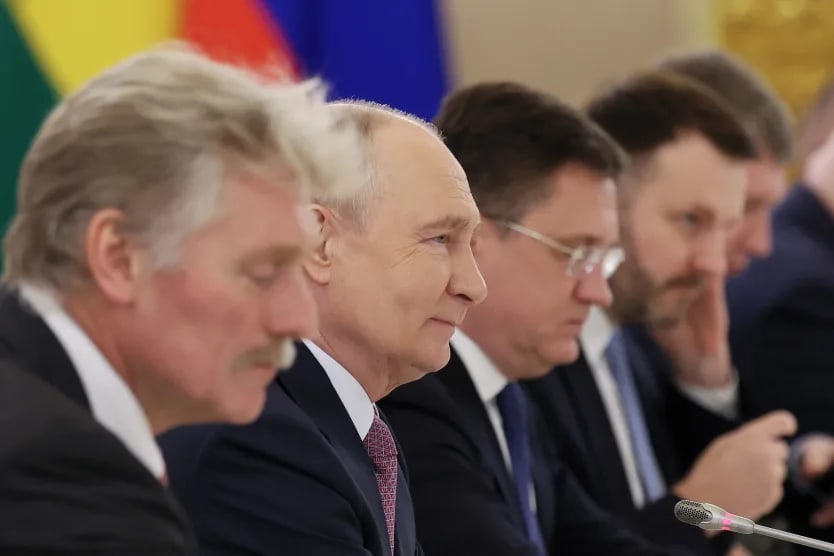
Russian President Vladimir Putin said trade between Russia and Africa reached $27 billion in 2025, about 1.5 times the level recorded at the 2023 summit. The figure, however, remains below the $40 billion target Moscow set in 2019, and Putin has now set a new goal of more than $50 billion.
Russia's trade footprint on the continent remains modest by comparison. China-Africa trade reached about $348 billion in 2025, while trade between the European Union and Africa stood at about $395 billion
Putin presented Russia as an alternative partner to the West, arguing that Russian companies support local job creation and tax revenues.
"Our business does not engage in the predatory, neo-colonial exploitation of natural and human resources,"
Agriculture remains Russia's strongest commercial link with Africa. Putin said Russia exported 13 million metric tons of agricultural products to the continent in the first nine months of 2026, with fertiliser supplies a key part of that trade.
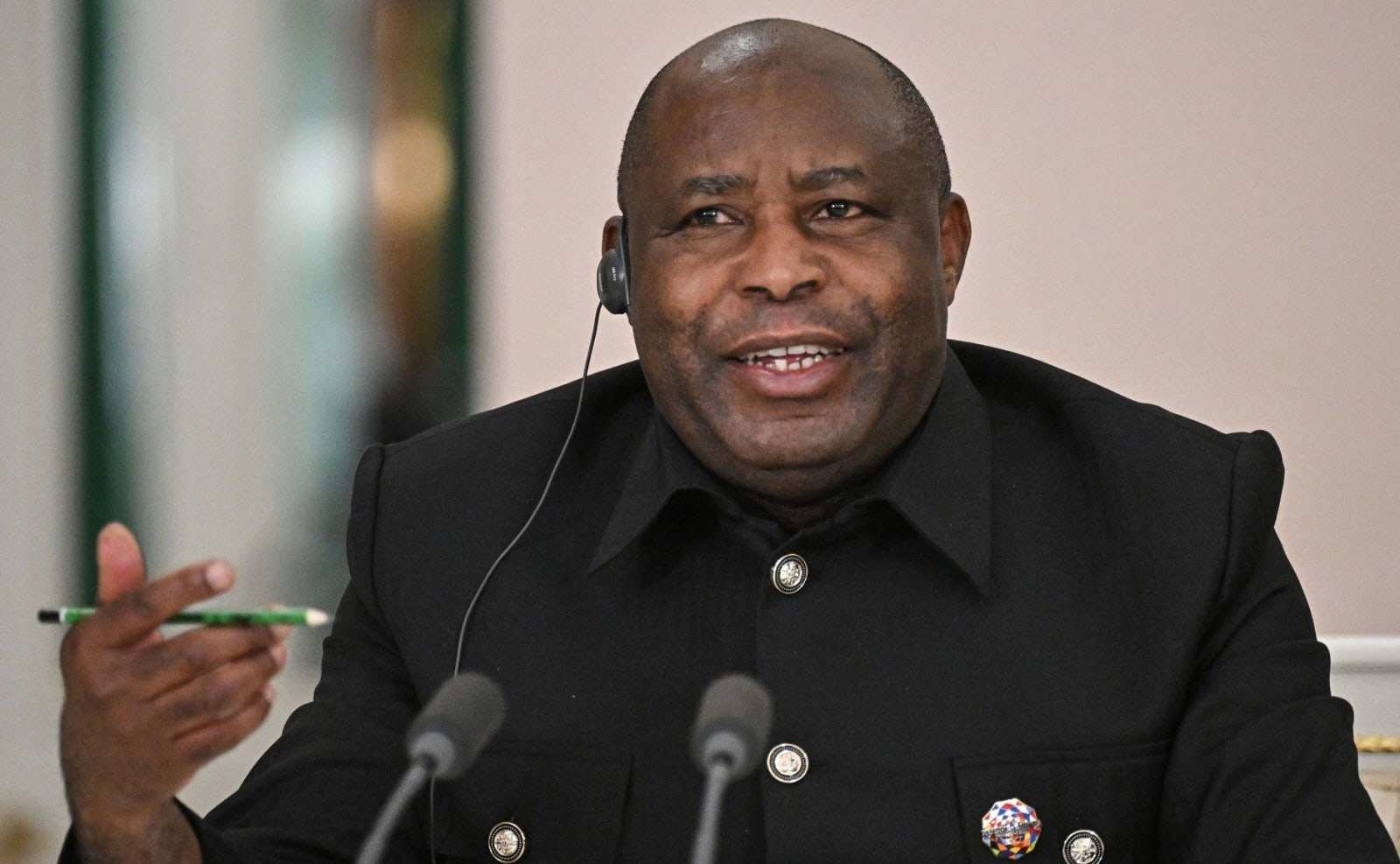
President of Burundi and Chairperson of the African Union, Evariste Ndayishimiye, called for more investment in industry, agriculture, energy, logistics and technology, as African leaders pushed for a partnership that moves beyond the export of raw materials.
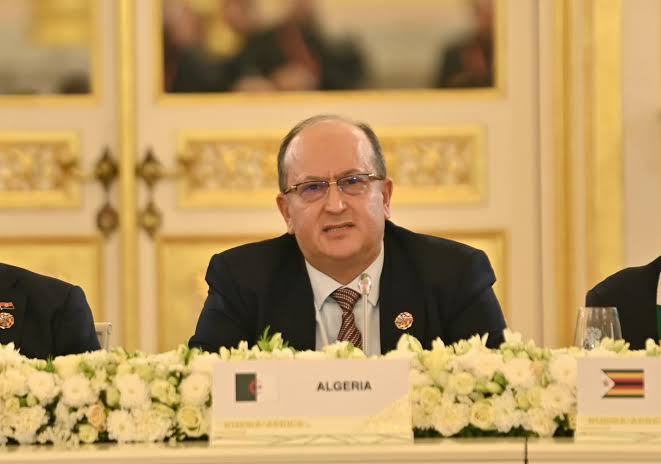
Algeria's address, delivered by Prime Minister Sifi Ghrieb on behalf of President Abdelmadjid Tebboune, pointed to continental infrastructure such as the Trans-Saharan Highway and the Trans-Saharan Gas Pipeline, alongside the African Continental Free Trade Area (AfCFTA).
Director of the Africa Program at Chatham House, Tighisti Amare, described the approach of African governments as "diversified non-alignment", keeping ties with several partners rather than committing to one camp, with countries seeking different benefits from agricultural supplies to energy investment.
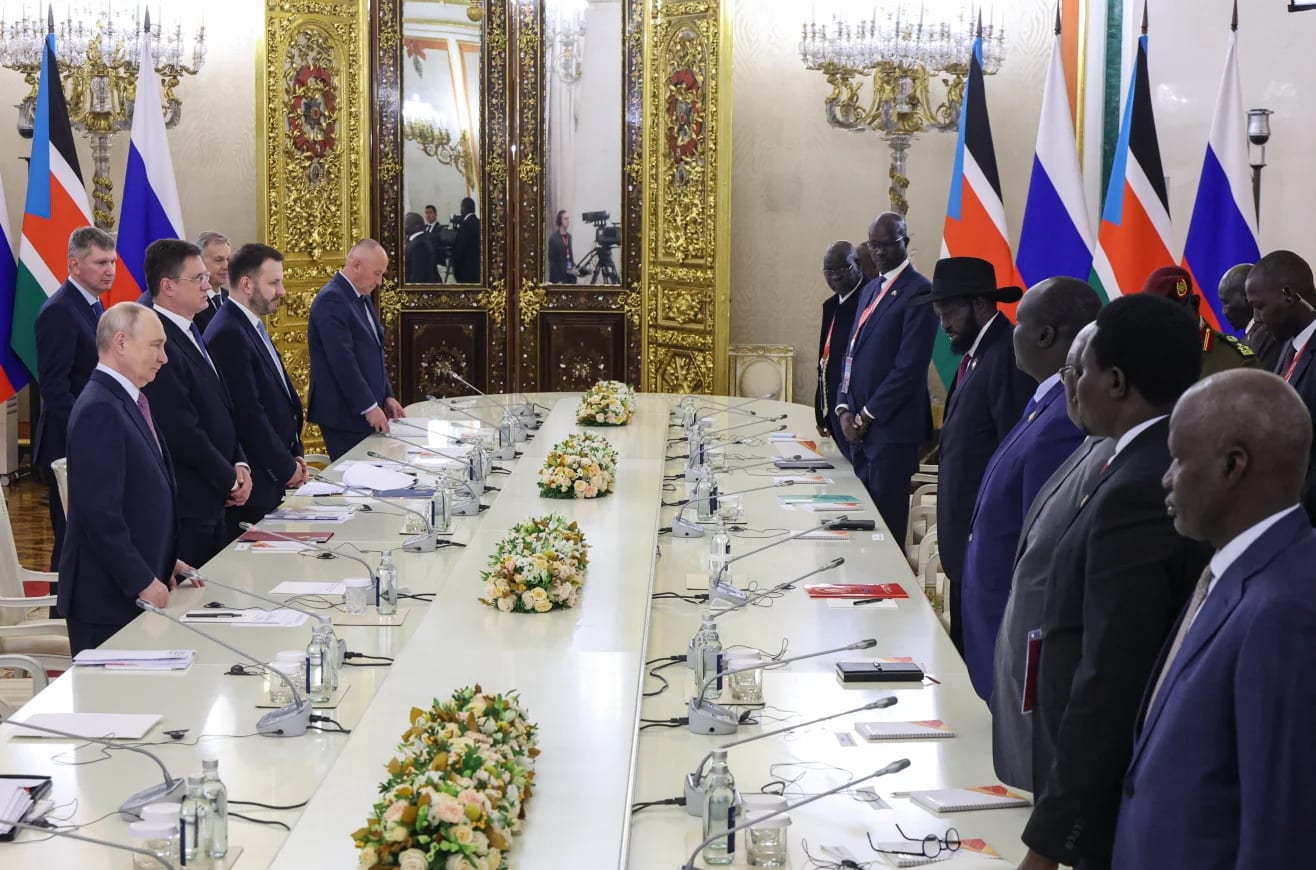
Procurement and Supply Chain Leaders, the inclusion of transport infrastructure, logistics and agricultural supply in the new action plan points to where future project pipelines and cross-border contracts are likely to emerge.
The 2027 to 2029 action plan will serve as the framework for Russia-Africa cooperation, with the $50 billion trade target the benchmark against which its results will be measured.