rade Minister Jumoke Oduwole says Nigeria expects to sign the six-country agreement this month at the AfCFTA Council of Ministers meeting in Zimbabwe, opening the way for Nigerian digital businesses to trade more easily in five key African markets.
Nigeria expects to sign a digital trade agreement with Ghana, Rwanda, Kenya, South Africa and Egypt under the African Continental Free Trade Area (AfCFTA) before the end of November, the Minister of Industry, Trade and Investment, Dr Jumoke Oduwole, has said.
Dr Oduwole told Reuters on 16 November 2026 that the agreement is expected to be signed at the AfCFTA Council of Ministers meeting in Zimbabwe, THEWILL reported.
Zimbabwe is hosting the 19th Meeting of the Council of Ministers Responsible for Trade on 28 November 2026 at the New Parliament Building in Mount Hampden, Harare. Senior trade officials meet from 24 November to prepare the ministerial session, and a coordination meeting with Regional Economic Communities follows on 29 and 30 November, The Herald reported.
According to the minister, the five partner countries were chosen after the government identified the markets Nigerian digital businesses most wanted to enter. Regulators from the six countries, including central banks and trade ministries, have already held talks on cooperation.
In October, the Nigerian AfCFTA Coordination Office said regulators from the five partner countries had examined market access requirements and areas where rules could be aligned or mutually recognised. Nigeria has also been working with the World Bank to identify gaps between its domestic digital trade rules and the AfCFTA framework.
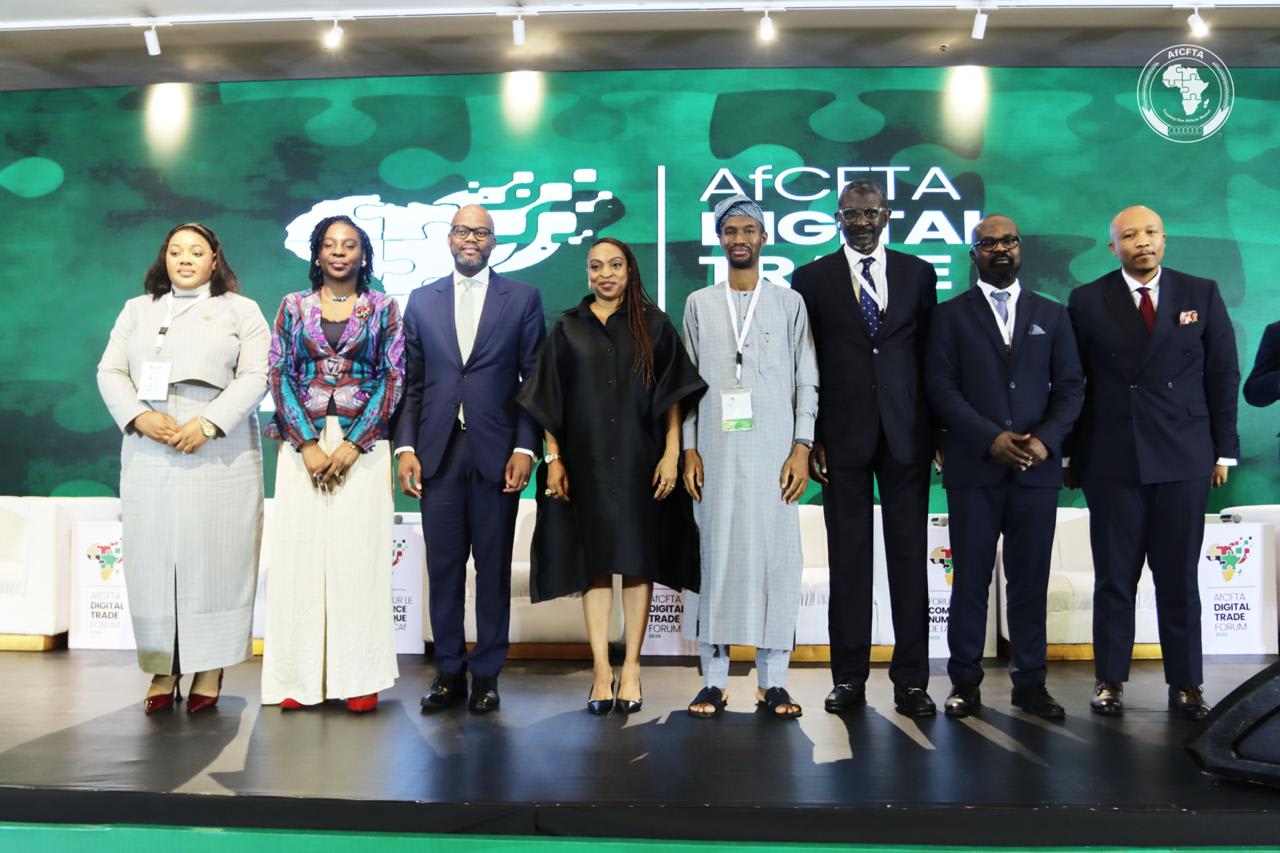
The agreement builds on the AfCFTA Protocol on Digital Trade, adopted by African Union Heads of State in February 2024. The protocol has 52 articles and covers market access, paperless trade, electronic invoicing, digital identities, digital payments, cross-border data transfers, consumer protection and digital inclusion for small businesses. Once in force, state parties have five years to align their national laws with it.
In December 2024, African Union justice ministers meeting in Zanzibar adopted eight annexes to the protocol, covering areas including cross-border digital payments, cross-border data transfers, digital identities and financial technology, according to the AfCFTA Secretariat.
A March 2026 report by ODI Global on cross-border digital payments and identity in Nigeria found that businesses face payment delays, system problems and difficulty verifying trading partners, with fragmented regulation and high compliance costs among the main barriers. Micro, small and medium enterprises make up about 96 per cent of Nigerian businesses.
Several Nigerian technology companies already operate across some or all of the partner markets. Paystack serves businesses registered in Nigeria, Ghana, South Africa and Kenya. Flutterwave lists payout support for all six countries. Identity verification company Seamfix offers background checks and identity services in Nigeria, Ghana, Egypt, Kenya and South Africa.
The minister did not say whether the agreement would change licensing, tax or capital requirements for businesses operating across the six markets, and no implementation timetable has yet been announced. The text of the agreement is expected to be made public after signing.