
Kenya Airways Posts 18% Cargo Revenue Growth but Records KShs 16.1 Billion Loss as Fuel Costs and Fleet Constraints Bite
Kenya Airways has delivered a mixed set of results for the first half of 2026, combining meaningful commercial progress with deepening financial pressure.
enya Airways has delivered a mixed set of results for the first half of 2026, combining meaningful commercial progress with deepening financial pressure.
The carrier recorded total revenue of KShs 81.25 billion, a 9% increase on the prior period, but closed the six months ending 30 June 2026 with a loss after tax of KShs 16.1 billion, compared with a net loss of KShs 12.2 billion in the same period last year.
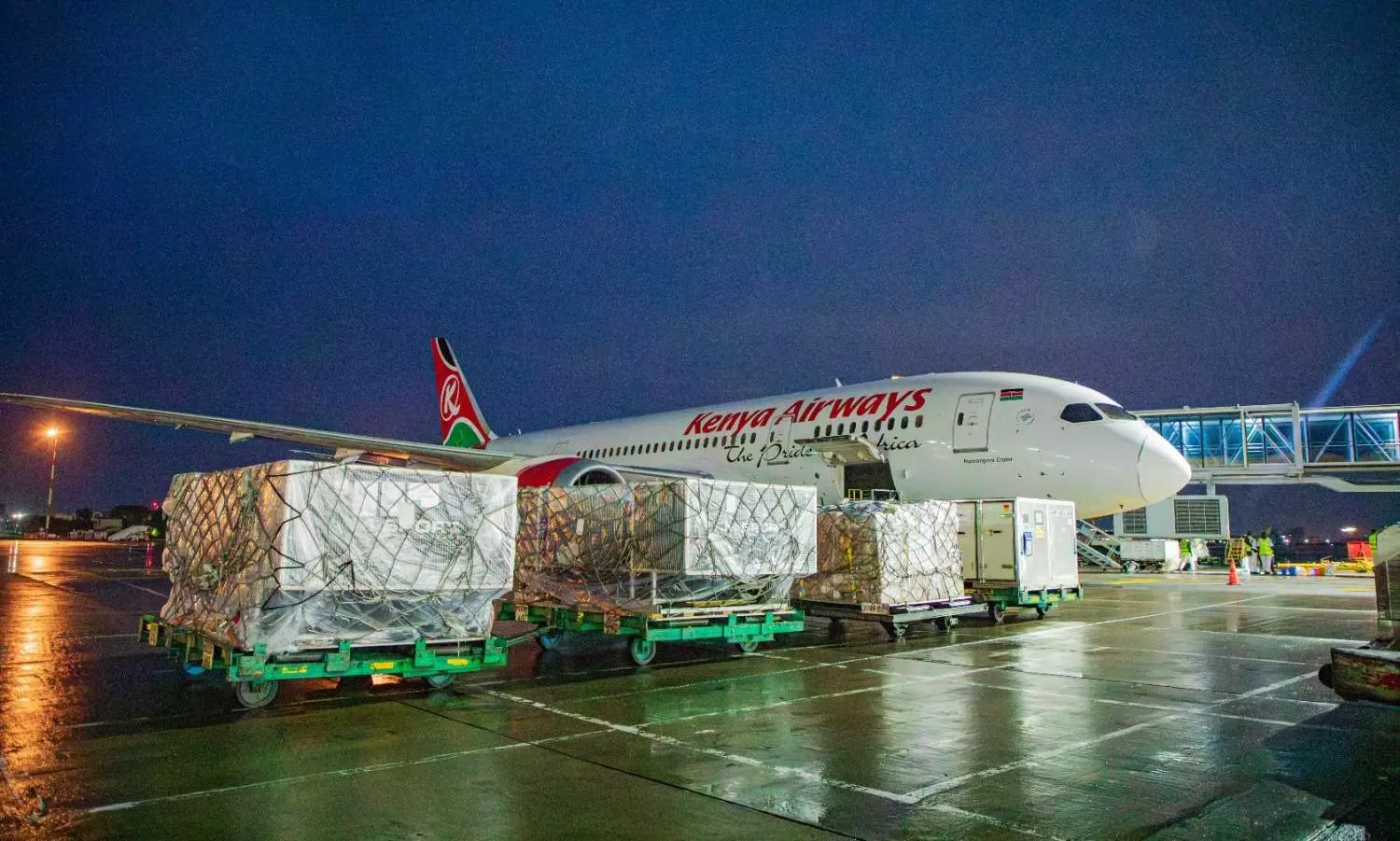
The standout performer within the results was the cargo division, which generated KShs 8.77 billion in revenue, up from KShs 7.46 billion in the prior period, representing an 18% year-on-year expansion. The growth reflects a deliberate commercial push to scale freight activities across regional and international routes. To build on this momentum, Kenya Airways has pursued additional Boeing 747 Freighter capacity with the ambition of growing its cargo market share from 11% to 40%, positioning freight as a central pillar of the airline's long-term revenue diversification strategy.
The positive revenue trajectory, however, was severely undermined by a sharp escalation in operating costs. Total operating expenses climbed 14% to KShs 91.90 billion, driving the group into an operating loss of KShs 10.64 billion.
The dominant pressure was jet fuel, which surged 66% year-on-year globally, averaging $142 per barrel and spiking as high as $213 per barrel during March and April 2026. For Kenya Airways, fuel costs jumped 32% year-on-year, accounting for approximately 32% of total operating expenses and 52% of direct operating costs.
Fleet availability further compounded the airline's challenges. Grounding issues and engine turnaround delays of between 90 and 120 days restricted fleet deployment during the period, causing total Available Seat Kilometres to fall by 9% and total block hours to drop by 8%. Global supply chain bottlenecks affecting aircraft maintenance and parts availability were cited as key contributors to the constraints.
Despite these headwinds, commercial efficiency held firm. Passenger cabin factor improved by nearly four percentage points to 76.3%, supported by strong average coupon values and high fleet utilisation. Kenya Airways achieved the third-highest global utilisation rates for its Boeing 787 and Boeing 737 fleets and the highest in the world for its Embraer E190 aircraft, a testament to the operational discipline maintained under pressure.
Looking ahead, management led by Chairman Kiprono Kittony and Acting CEO Dr George Kamal is prioritising fleet restoration, cost reduction, liquidity preservation, and a strategic capital raise to stabilise the airline's financial foundation.
The carrier has already begun welcoming back key widebody aircraft, including a Boeing 787-8 in mid-July 2026 and a Boeing 777-300ER, which are expected to restore capacity and strengthen operational flexibility across its international network. The airline's Asante Rewards loyalty scheme also expanded by 20% to over 300,000 members during the period, reflecting continued commercial momentum even as the group navigates one of the most challenging operating environments in recent years.